From Britain to Tamba
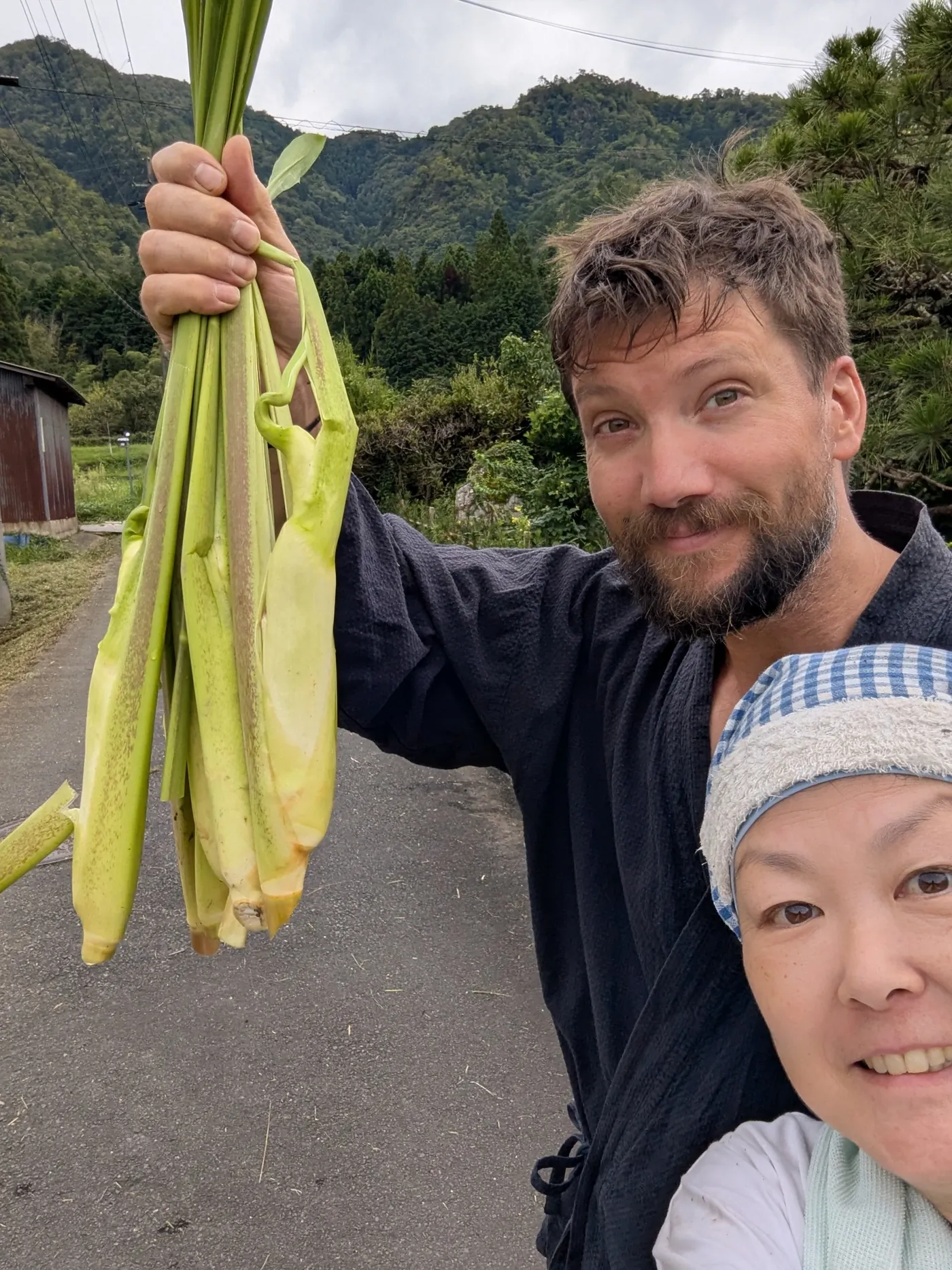
In November 2023, we left Britain, where we had lived for many years, and moved to Japan. One of the main reasons was to be closer to ageing family. If we were moving, we thought, why not find somewhere with land and grow food ourselves?
We looked for a home in and around Tamba-Sasayama and eventually found our place in Kasuga, Tamba City, Hyogo. There were fields around the house, with a barn and farming tools still there. We were told that the previous residents had grown vegetables for their family for over ten years without relying on chemical fertilisers or synthetic pesticides. We were fortunate to take on land that had already been cared for.
Shizuka: from seed to your doorstep
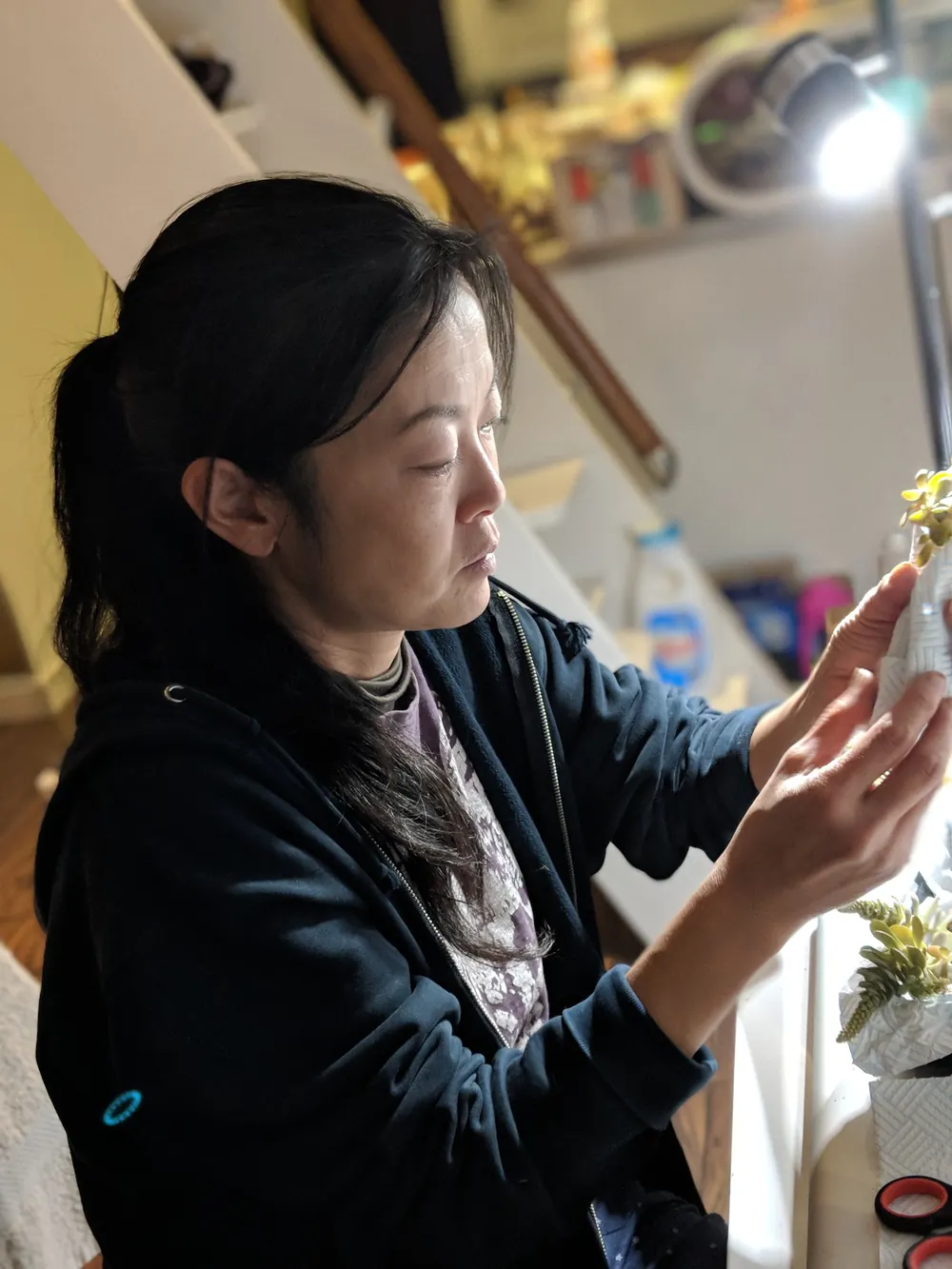
Shizuka grew up in Japan in a family that valued cooking and food. In Britain she grew flowers and vegetables, and eventually ran a small succulent nursery called Shizuka Succulents.
Propagating plants, checking each one, packing carefully and sending them out: that experience is directly useful on the farm today.
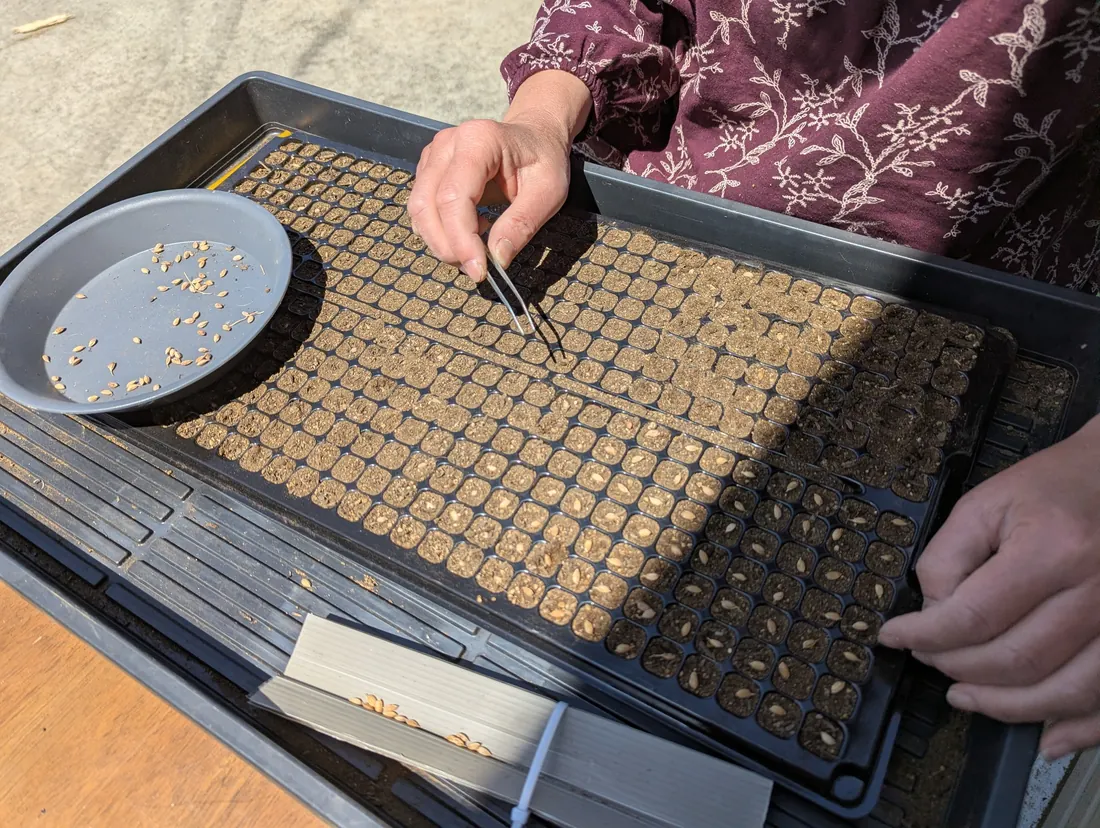
She now handles most of the sowing and seedling raising, along with harvesting, sorting, packing and customer enquiries: all the small jobs that get produce from the field to you.
Mack: from large-scale farming to life in the soil
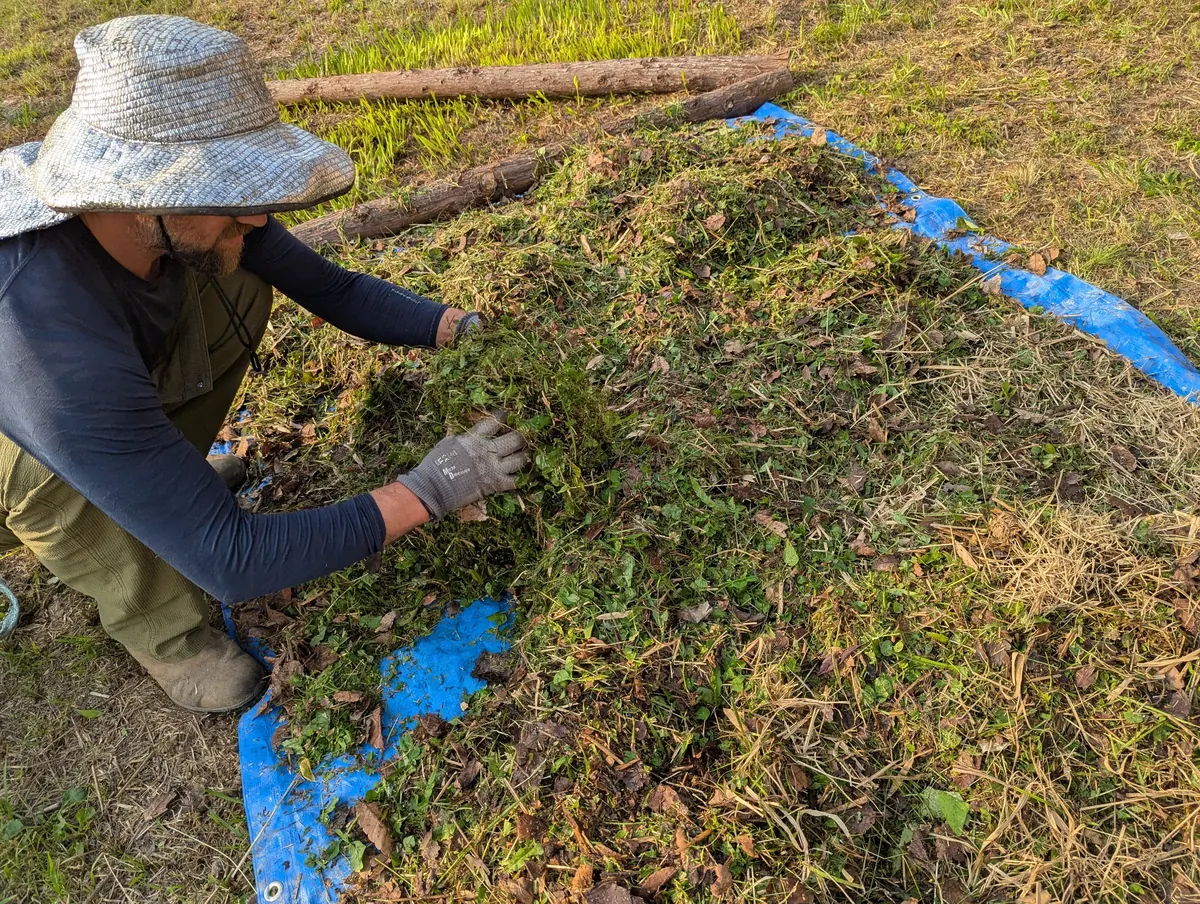
Mack, whose given name is Todd, has worked with large-scale farming in eastern England since around 2013. His experience covers agricultural machinery, farm operations, information systems and business development, and he still continues some of that work remotely.
Alongside an understanding of the scale and challenges of conventional farming, he became interested in how deep tillage affects soil organisms and structure. He has studied soil microbiology and regenerative farming through books and courses.
He mainly handles field planning, soil care, compost, grass mulch, machinery and maintenance. Theory alone does not grow crops, so every year the fields teach him something again.
Learning from Tamba
We began with Happy Hill rice and vegetables for our own kitchen. Neighbouring farmers shared Tamba black soybean and azuki seeds, and showed us how to grow them. Our friends at Manmaraku Noen also gave us opportunities to learn about makomo and rice growing.
Japanese chillies caught our imagination too. We sought out varieties with aroma and savoury depth as well as heat, tasted them, saved their seeds and tried them in our fields. Their success in Tamba’s soil led to the chilli growing we do today.
We did not start selling as soon as we arrived. First we grew things for ourselves, made mistakes and tried again, gradually getting to know the land and its seasons.
Growing soil as well as crops
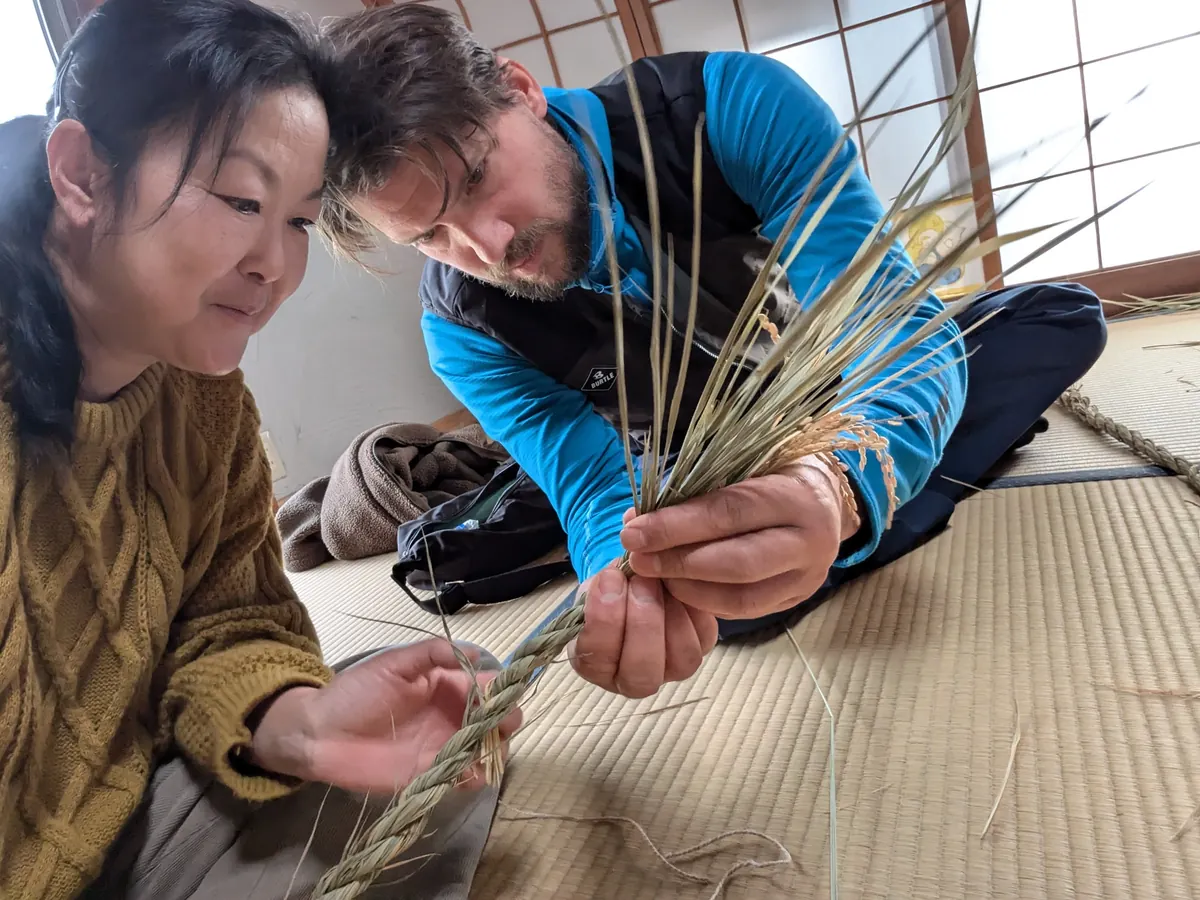
This year’s harvest is not our only concern. We compost grass cuttings, weeds, straw and crop residues and return them to the soil. We try to keep the ground covered with grass or straw rather than bare, and avoid tilling more than necessary.
We grow without synthetic pesticides or chemical fertilisers, but we do not hold Organic JAS certification. We want to explain what we actually do as clearly and specifically as possible, rather than leave it at a label.
Part of the community
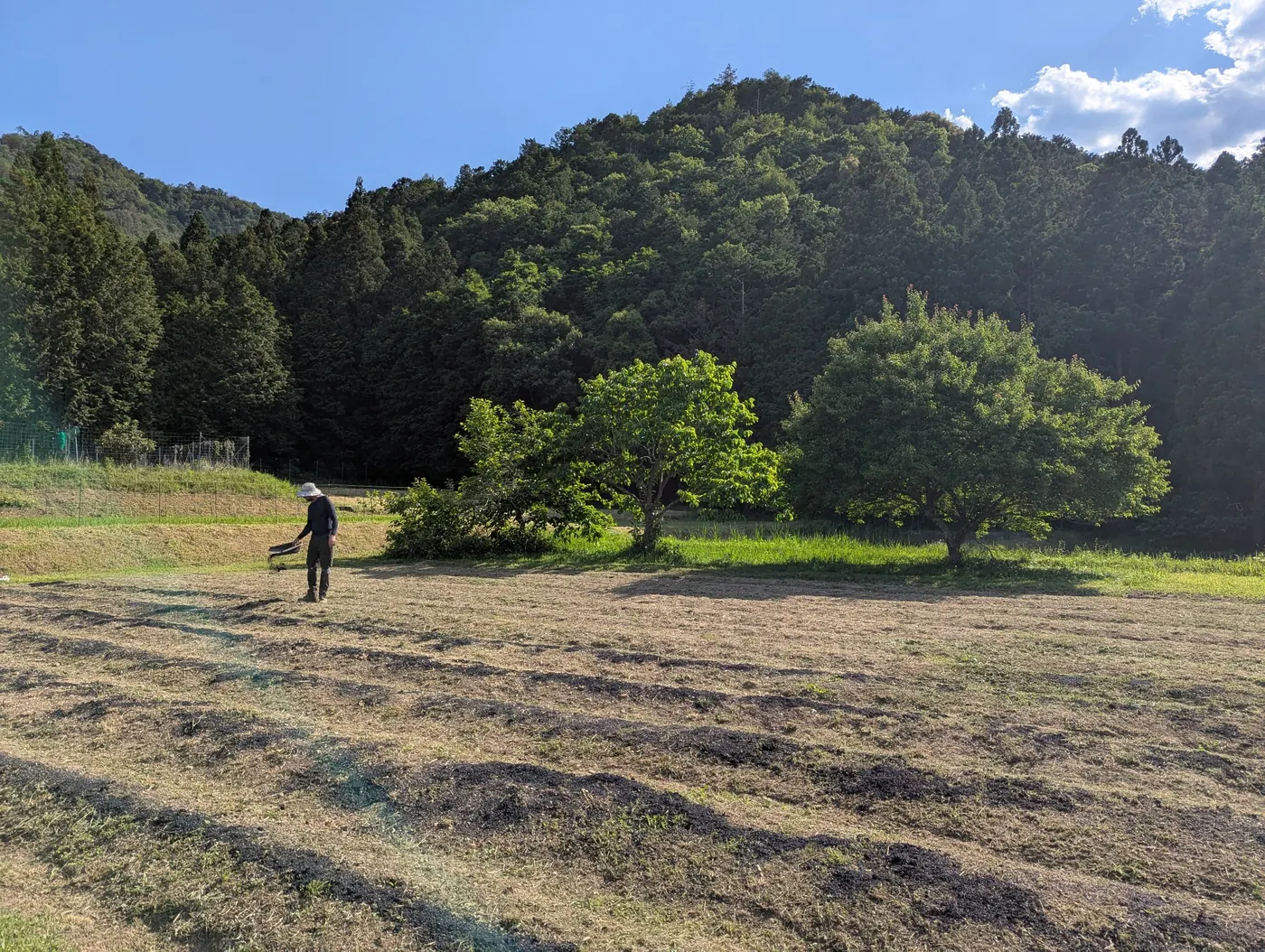
Rural life does not stop at the field boundary. We join communal work and sometimes help neighbours with mowing and land care. Talk about farming and a conversation often starts naturally, whatever your age or where you grew up.
The experience of people who have farmed here for years helps us enormously. We hope to keep contributing what we can as members of this community.
The family beyond the fields
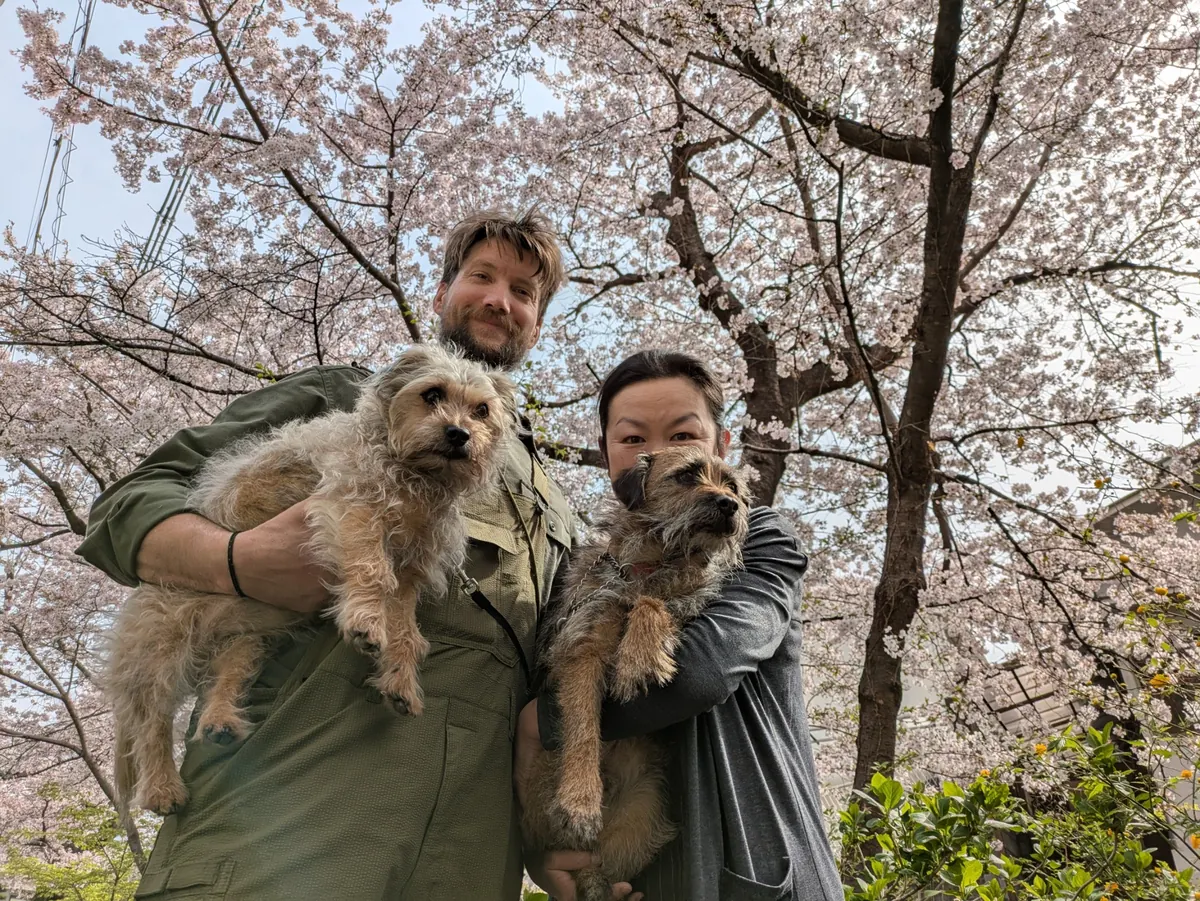
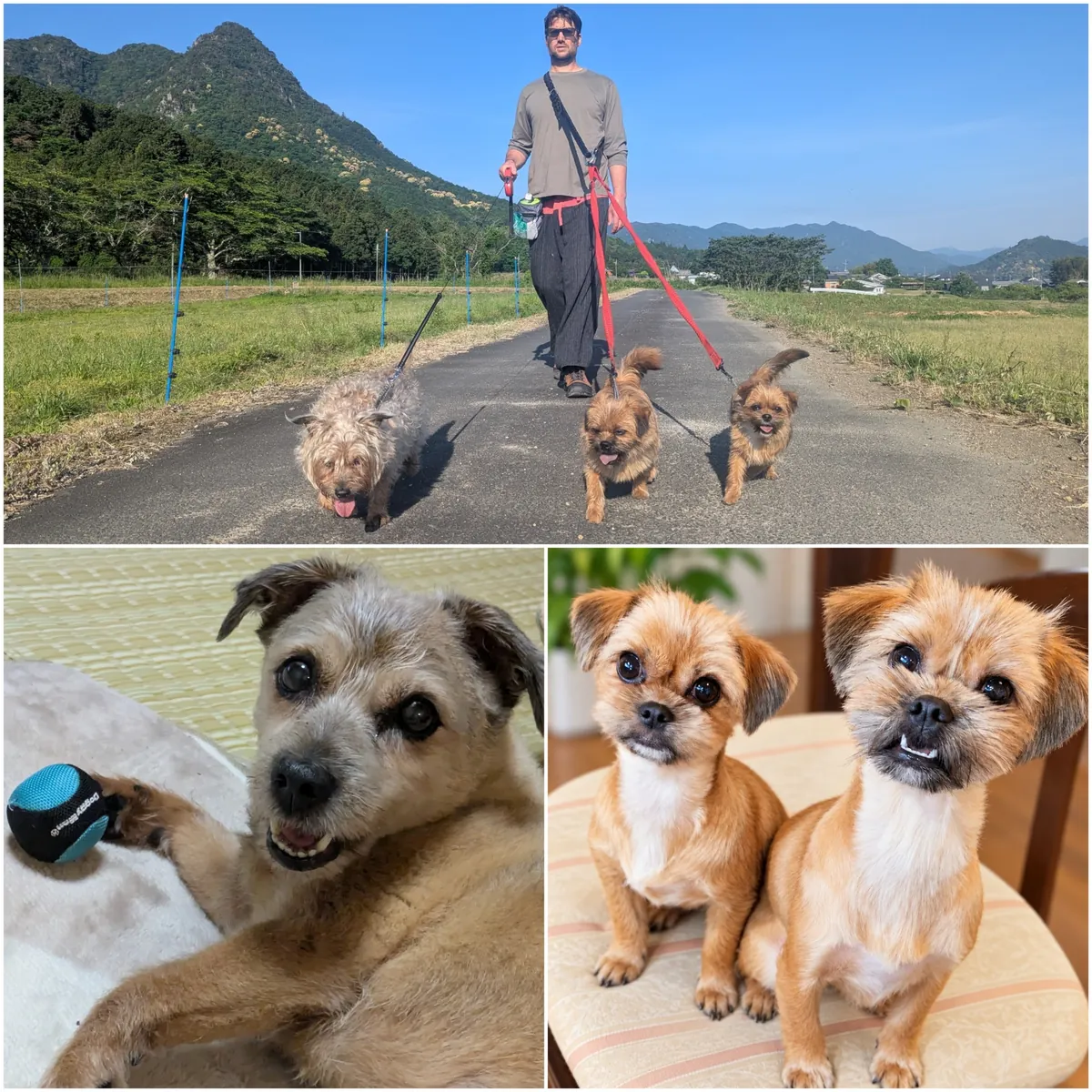
Our dogs Leo and Luna came with us from Britain. Leo died of illness in 2025, but our time together in Tamba remains precious. Kuro and Mame, whose names together echo kuromame, or black soybeans, later joined the family. Life with them and Luna is now suitably lively.
Walks with the dogs are part of our daily routine. They do not enter the areas used for drying, preparing or packing produce, which are kept separate from our living space.
What comes next
We want to develop the farm into work we can sustain over time. We are gradually exploring ways to enjoy more of the harvest, including chilli powders, sauces and preserved foods.
Growth for its own sake is not the aim. We want a balance between the condition of the soil, the quality of our crops and the life we hope to keep living here.
We want to pass it on in better condition still.
Farm information
- Farm name
- Tamba Miwa Farm
- Operator
- Miwa Todd, known as Mack; run together with Shizuka
- Location
- Kasuga, Tamba City, Hyogo, Japan
- Main crops
- Japanese chillies, makomodake, Tamba Dainagon azuki and Tamba black soybeans
- [email protected]
- Enquiries
- Orders and enquiries page
- Official farm account / Everyday farm life
We often cannot answer the phone while working in the fields. Please contact us by email or through the enquiries page.